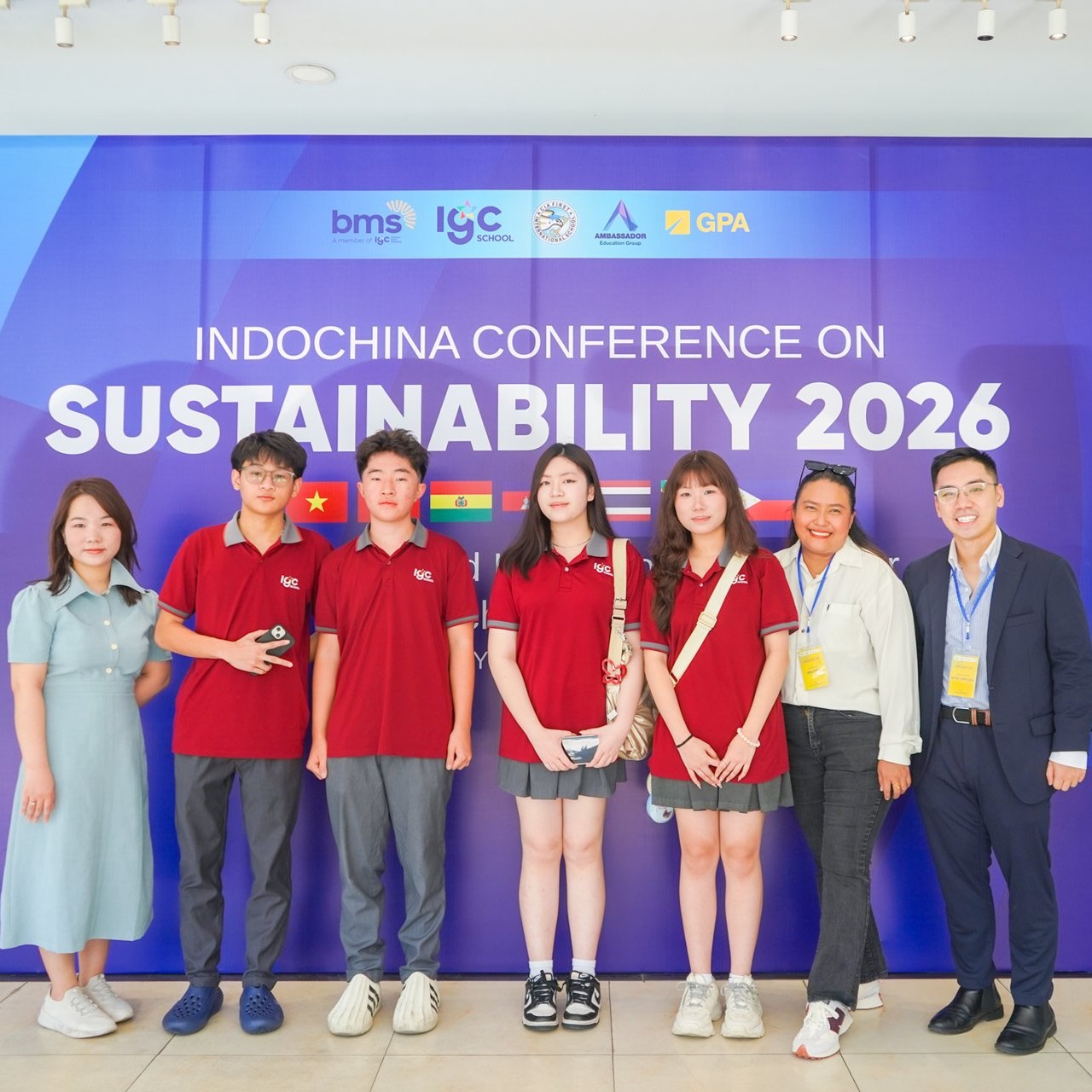
As sustainability challenges increasingly call for collaboration, interdisciplinary thinking and practical solutions, providing students with opportunities to engage with real-world issues has become an important part of their educational journey.
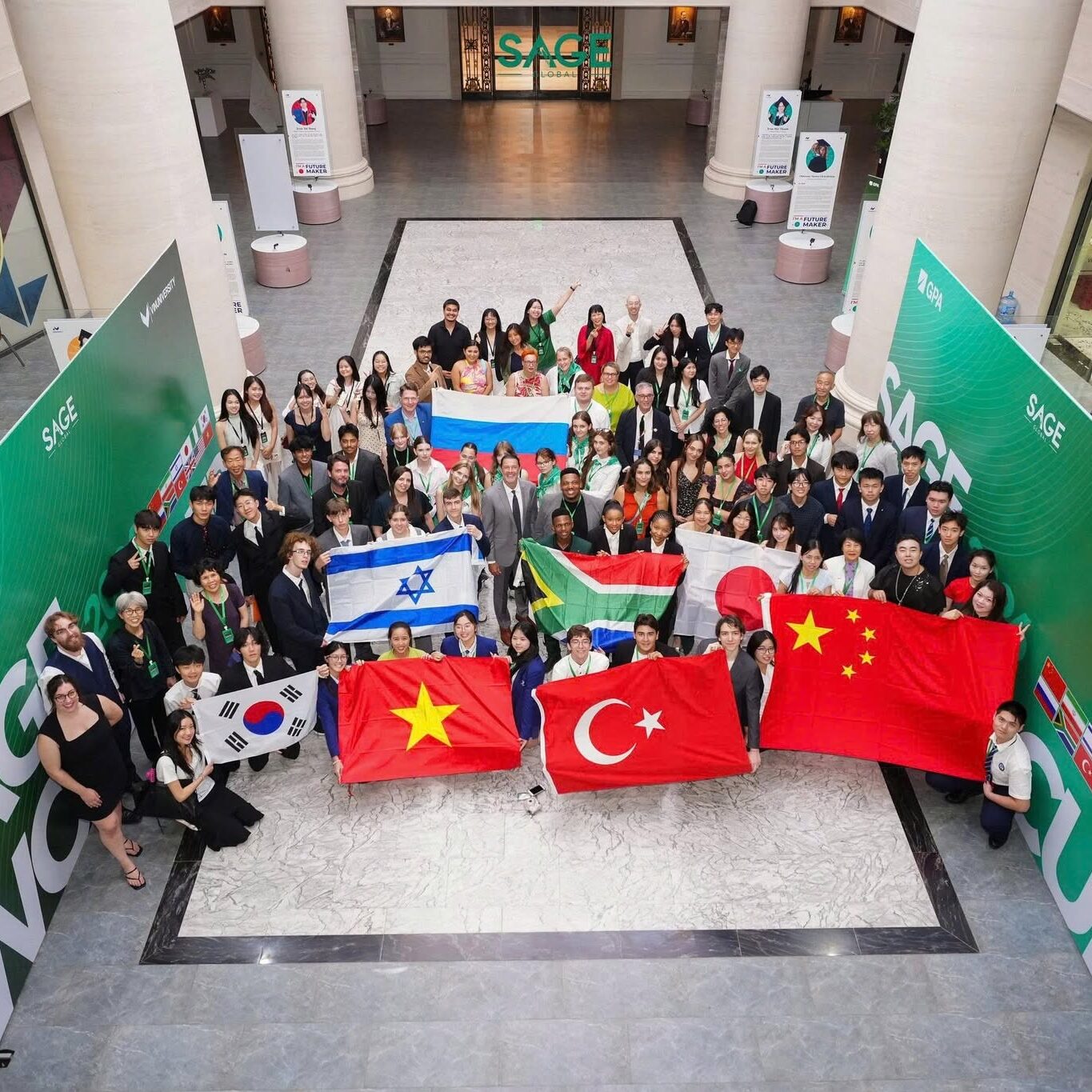
From May 24 to 30, 2026, Golden Path Academics (GPA) participated as a partner of Indochina Conference on Sustainability 2026 (ICS26), an international conference bringing together students from across the Indochina region to explore sustainability through experiential learning, collaboration and project-based activities.
Hosted by BMS Hanoi as part of BMS Global Connect 2026, the seven-day conference took place in Hanoi and Sa Pa, combining workshops, discussions, field visits and collaborative project development. The program offered students opportunities to engage with environmental, social and economic challenges while developing perspectives on sustainability across communities and cultures.
Indochina Conference on Sustainability 2026: Connecting Students Through Global Challenges
Indochina Conference on Sustainability 2026 was organized as part of BMS Global Connect 2026, hosted by BMS Hanoi. The conference brought together students from IGC, CIA FIRST International School, Golden Path Academics (GPA), BMS and other educational partners.
Rather than limiting learning to classroom discussions, ICS26 designed a seven-day learning journey incorporating workshops, thematic discussions, field research and group projects. Students explored sustainability from multiple perspectives, examining how environmental, social and economic considerations intersect in everyday life and community development.
Through collaboration across schools and educational organizations, the conference created an international learning environment where students could exchange ideas, work across cultural backgrounds and develop communication, teamwork and global awareness.
Applying Design Thinking to Real-World Sustainability Challenges
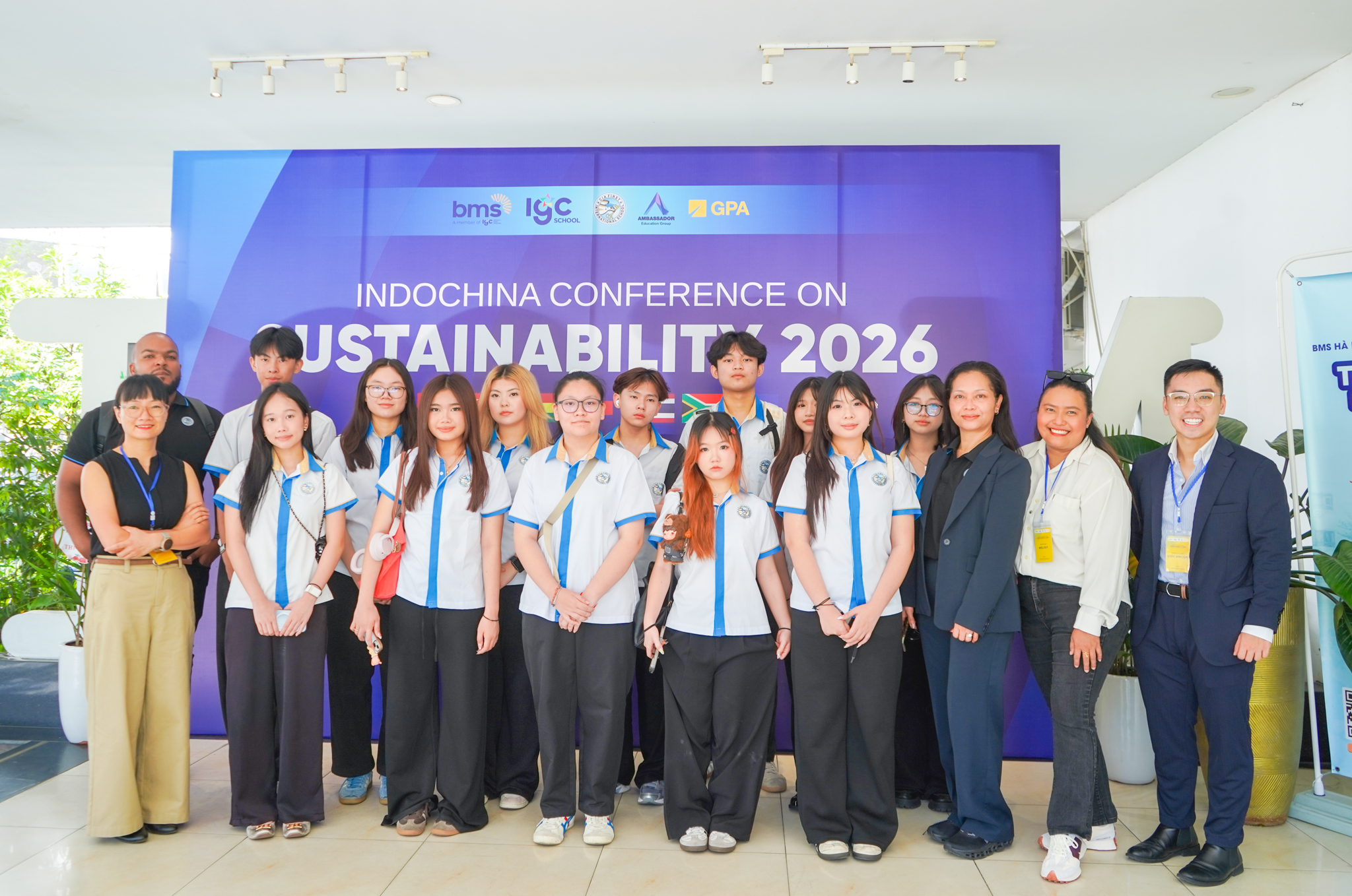
A key academic component of ICS26 was a series of workshops and collaborative projects built around the Design Thinking methodology. Students were guided through a process of understanding context, identifying needs, analyzing challenges and developing solutions.
The process encouraged students to move beyond simply generating ideas. Instead, they were challenged to investigate issues through observation, research, data and conversations with relevant stakeholders. Teams then refined their proposals through collaboration, feedback and critical discussion.
These activities provided opportunities for students to practice essential skills for international academic environments, including critical thinking, problem-solving, communication and the ability to translate knowledge into action.
Exploring Global Perspectives at UNDP Vietnam
As part of the conference, students visited the United Nations Development Programme (UNDP) in Vietnam to learn about the role of the United Nations in advancing the Sustainable Development Goals (SDGs), as well as global challenges related to environmental sustainability and youth engagement.
A session on plastic waste management and the circular economy introduced students to approaches spanning technology, policy and behavioral change. Concepts such as the 3Rs (Reduce, Reuse, Recycle), Extended Producer Responsibility (EPR) and the circular economy were connected to broader sustainability goals, including responsible consumption, sustainable cities and ecosystem protection.
The visit to the United Nations Green Building, also known as One UN House, further provided students with an opportunity to observe sustainability practices in a real-world setting, including energy management and waste management systems.
These insights became a foundation for students’ continued research and project development throughout the conference. Beyond learning about environmental issues, students explored how individuals, communities and organizations can contribute to more systematic and sustainable solutions.
Sa Pa: Field Learning Through Local Communities and Sustainable Livelihoods
Following the activities in Hanoi, students traveled to Sa Pa to explore sustainability through the perspectives of local communities.
In Ta Phin village, students examined local livelihood models and community-based economic activities, including Red Dao homestay businesses, traditional herbal bathing practices and brocade weaving – cultural knowledge and craftsmanship passed down through generations.
Through observation and engagement with local residents, students explored the relationship between economic development, cultural preservation and environmental protection. These experiences helped them understand that sustainability extends beyond natural resources, encompassing quality of life, cultural identity and the long-term resilience of local livelihoods.
The Pitching & Storytelling workshop also equipped students with skills in structuring narratives, presenting ideas and communicating solutions effectively in preparation for the final project showcase.
The Sustainability Showcase: Presenting Solutions to an International Jury
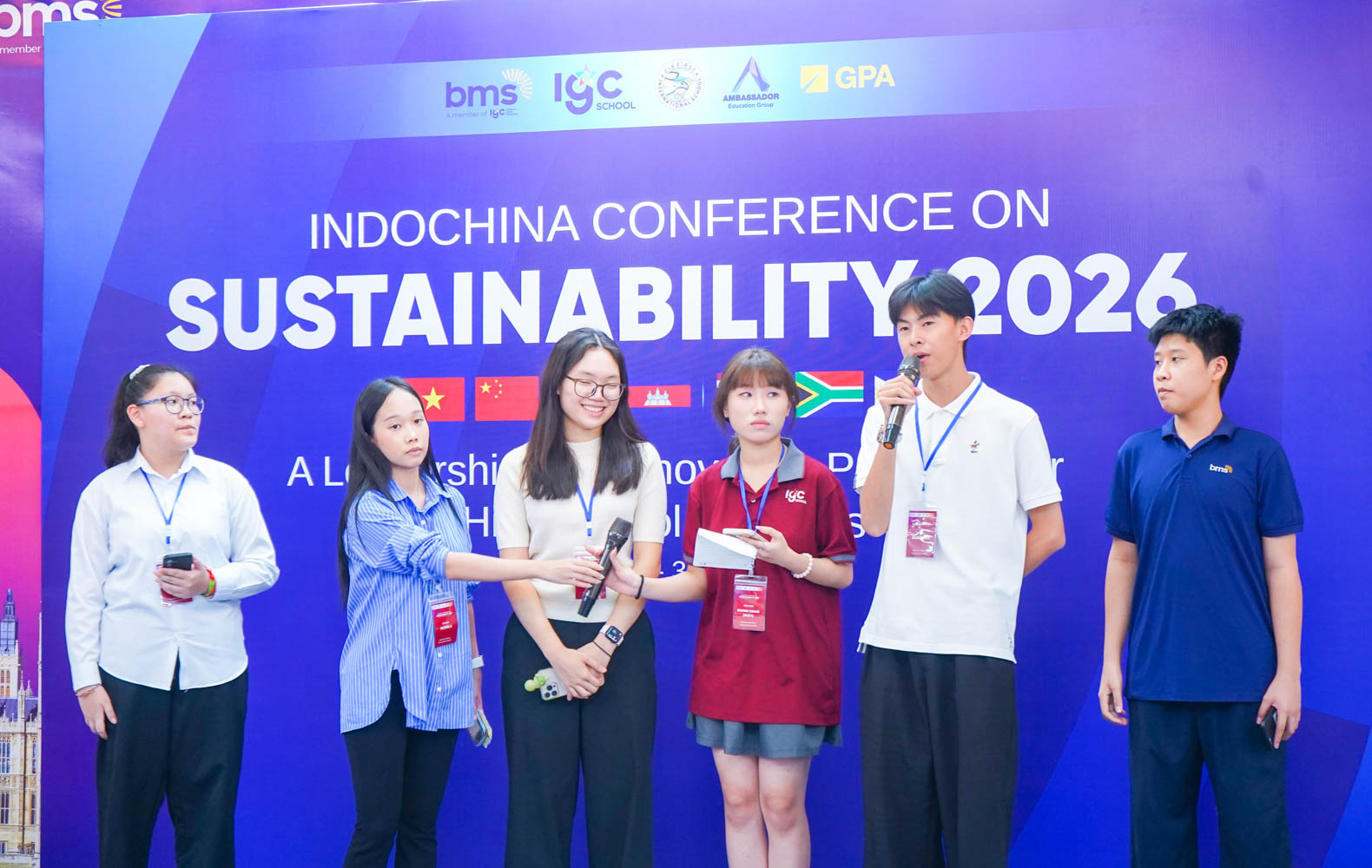
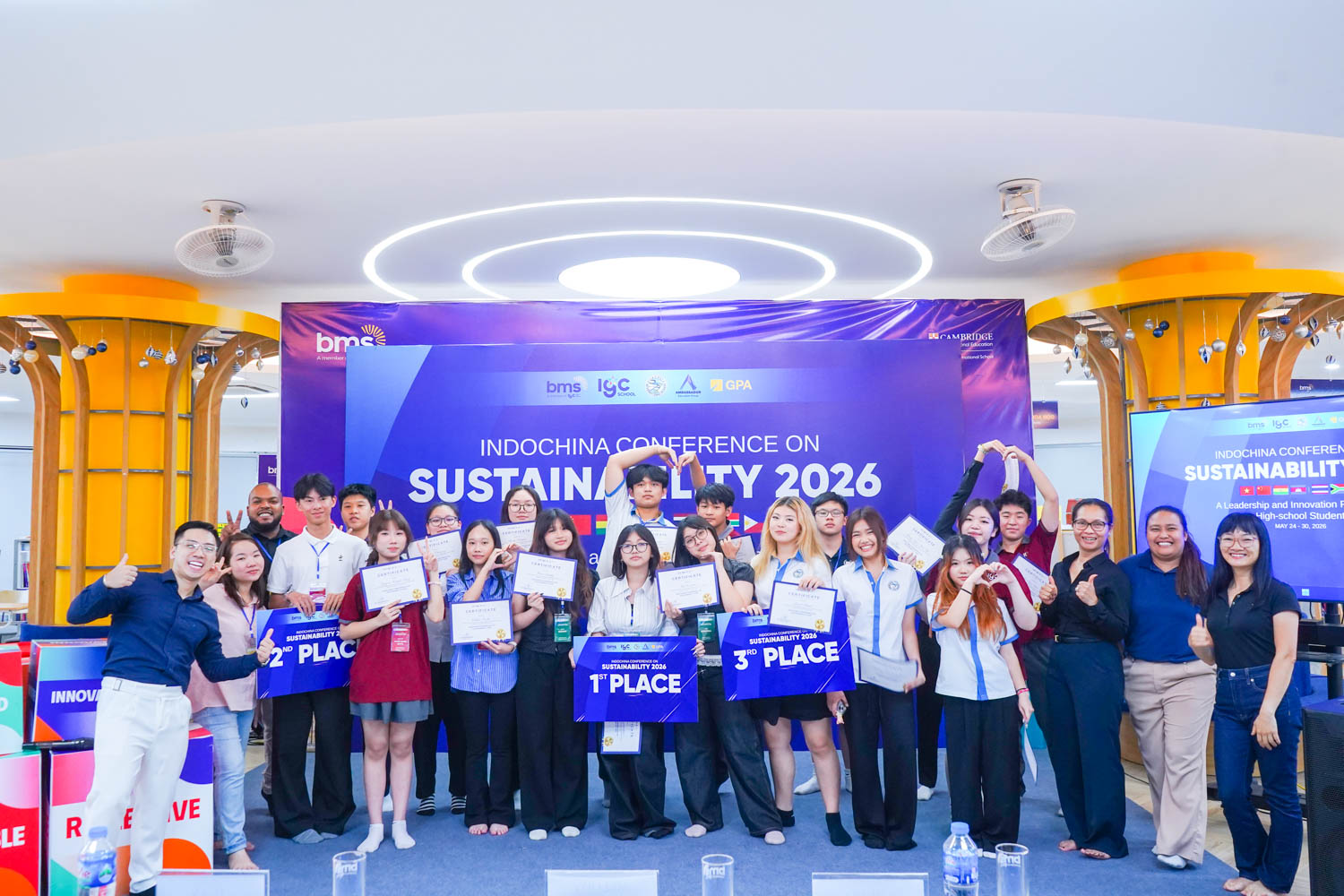
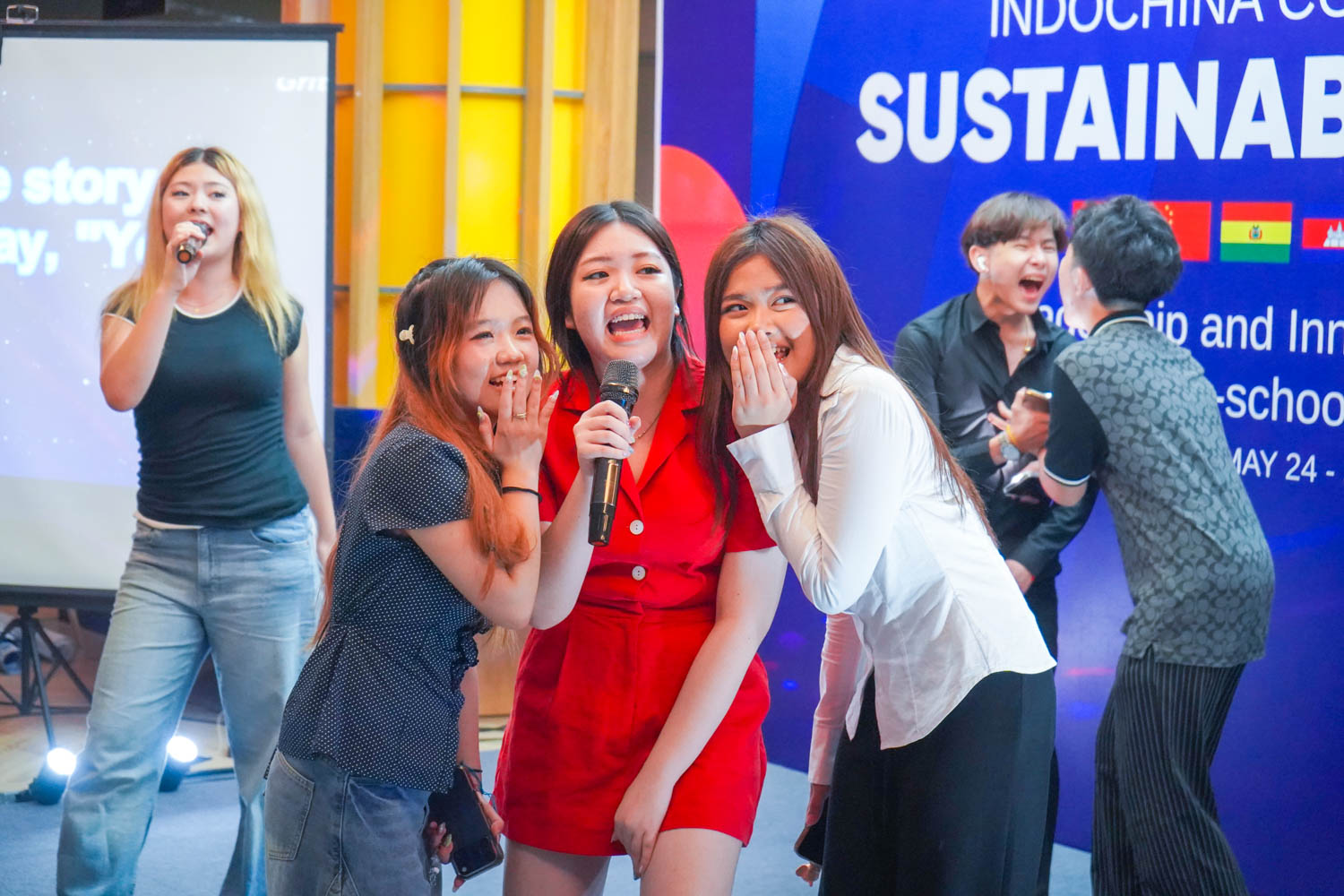
The academic highlight of ICS26 was The Sustainability Showcase, where student teams – Mekong Marvels, Bamboo Blazers and Lotus Leaders – presented their projects to an international jury.
The projects focused on three themes: Sustainable Tourism, Social Sustainability and Environmental Sustainability. All presentations were delivered in English, followed by live discussions and questions from the jury.
The showcase provided students with an opportunity to demonstrate the outcomes of their research and fieldwork, while also testing their ability to articulate arguments, use evidence, defend their ideas and respond to different perspectives.
Through this experience, students engaged in a process closely aligned with real-world problem-solving: identifying challenges, conducting research, developing solutions and presenting their proposals. The value of the experience extended beyond the final projects to the skills, perspectives and intellectual growth developed throughout the process.
GPA Continues to Support International Educational Collaboration
As a partner of Indochina Conference on Sustainability 2026, GPA joined participating educational institutions in contributing to an international learning environment that encourages student engagement, collaboration and exploration. GPA students participating in the conference also had the opportunity to connect with peers across schools and cultures while engaging with global sustainability challenges.
At GPA, meaningful learning extends beyond classroom knowledge. It is shaped by opportunities for students to explore independently, experiment, collaborate and engage with real-world challenges. This philosophy continues to inform GPA’s engagement with schools and educational organizations, supporting students in developing their capabilities, independent thinking and long-term aspirations.
Explore more about GPA’s collaboration with schools in supporting students’ growth and future pathways and GPA’s engagement in international academic competitions.
Indochina Conference on Sustainability 2026 concluded after seven days of learning and exploration in Hanoi and Sa Pa. The projects developed, cross-cultural connections formed and perspectives gained throughout the conference will continue to serve as valuable experiences for students as they grow into thoughtful, collaborative and globally minded individuals.