Approaching a complete stranger to start a conversation and conduct an interview is not always easy, especially for students who may feel hesitant when communicating with someone they have never met. Yet, experiences like these can create valuable opportunities for students to practise initiative, overcome hesitation, and gradually expand their comfort zones.
This was the challenge students experienced during the Social Connection Challenge, a PathFinder activity designed to help students explore how they connect and communicate with others in real-life situations.
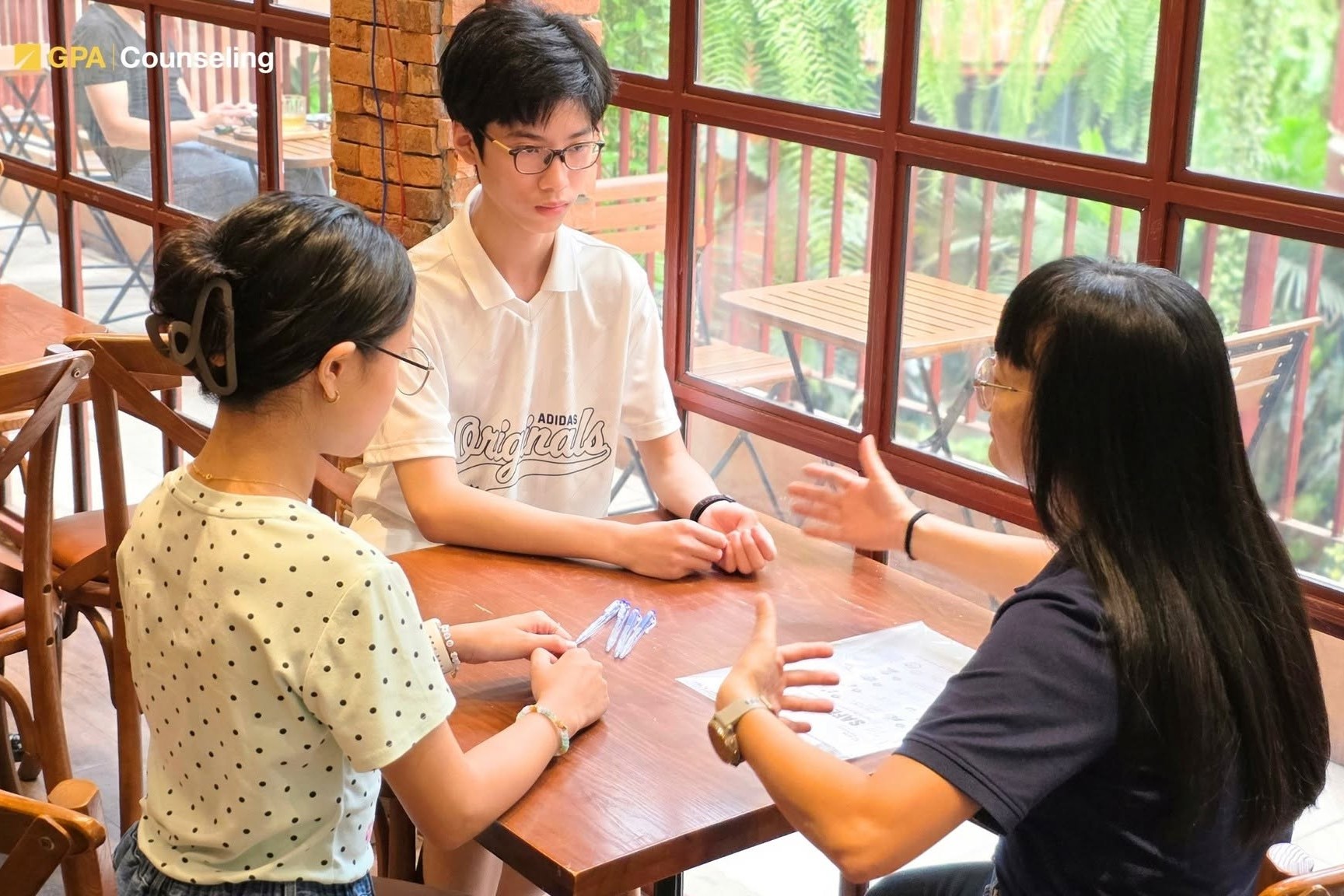
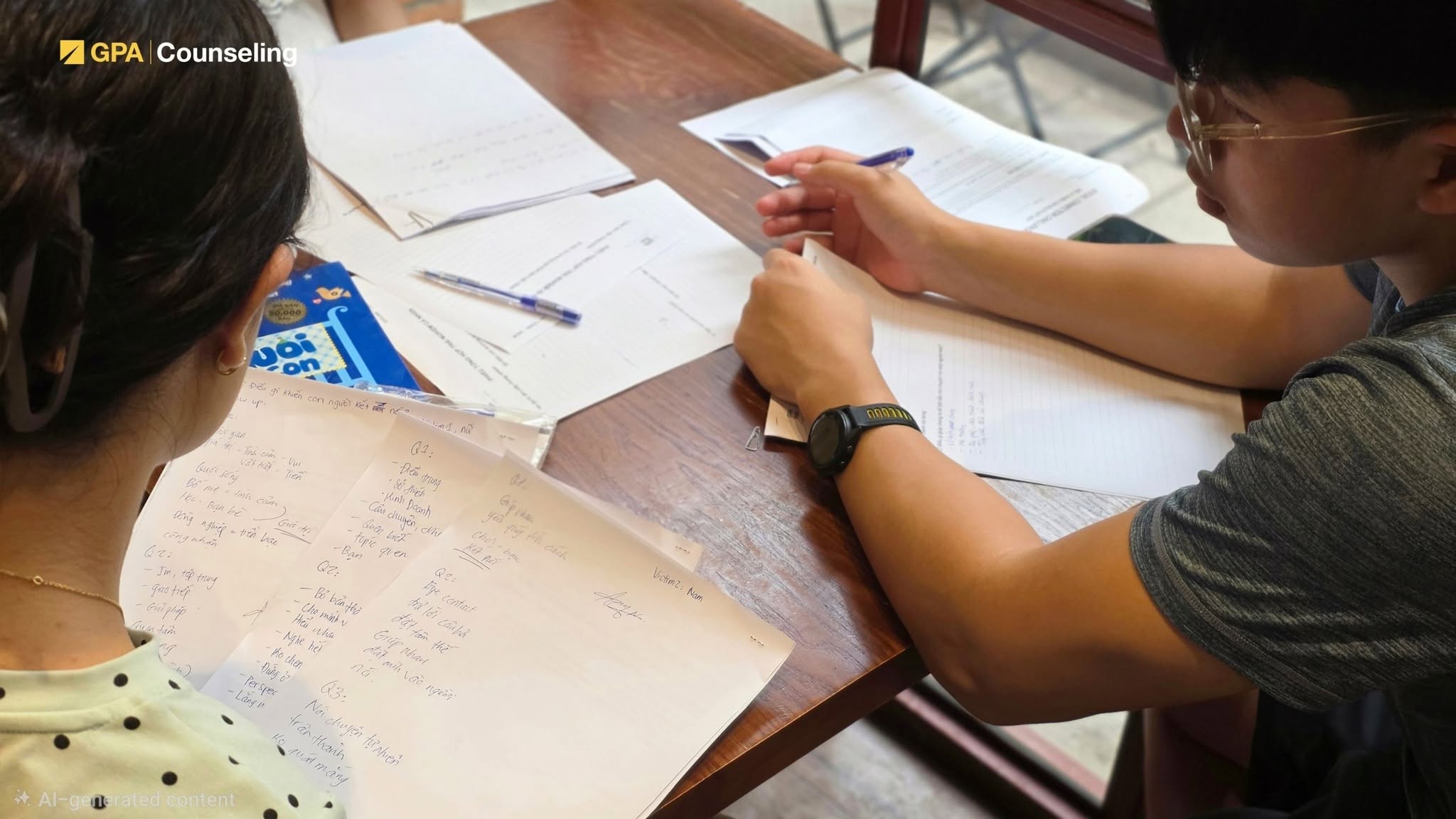
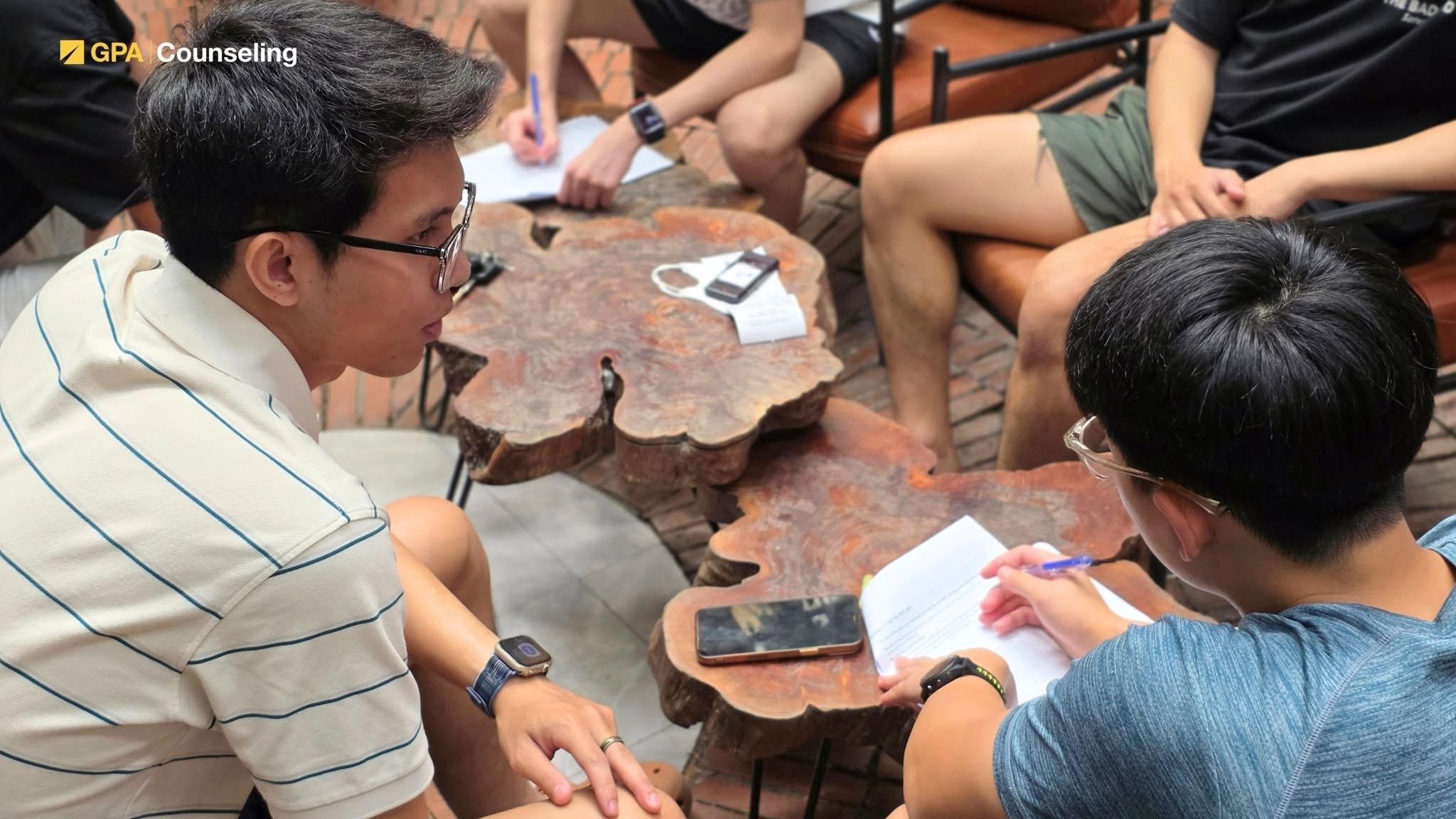
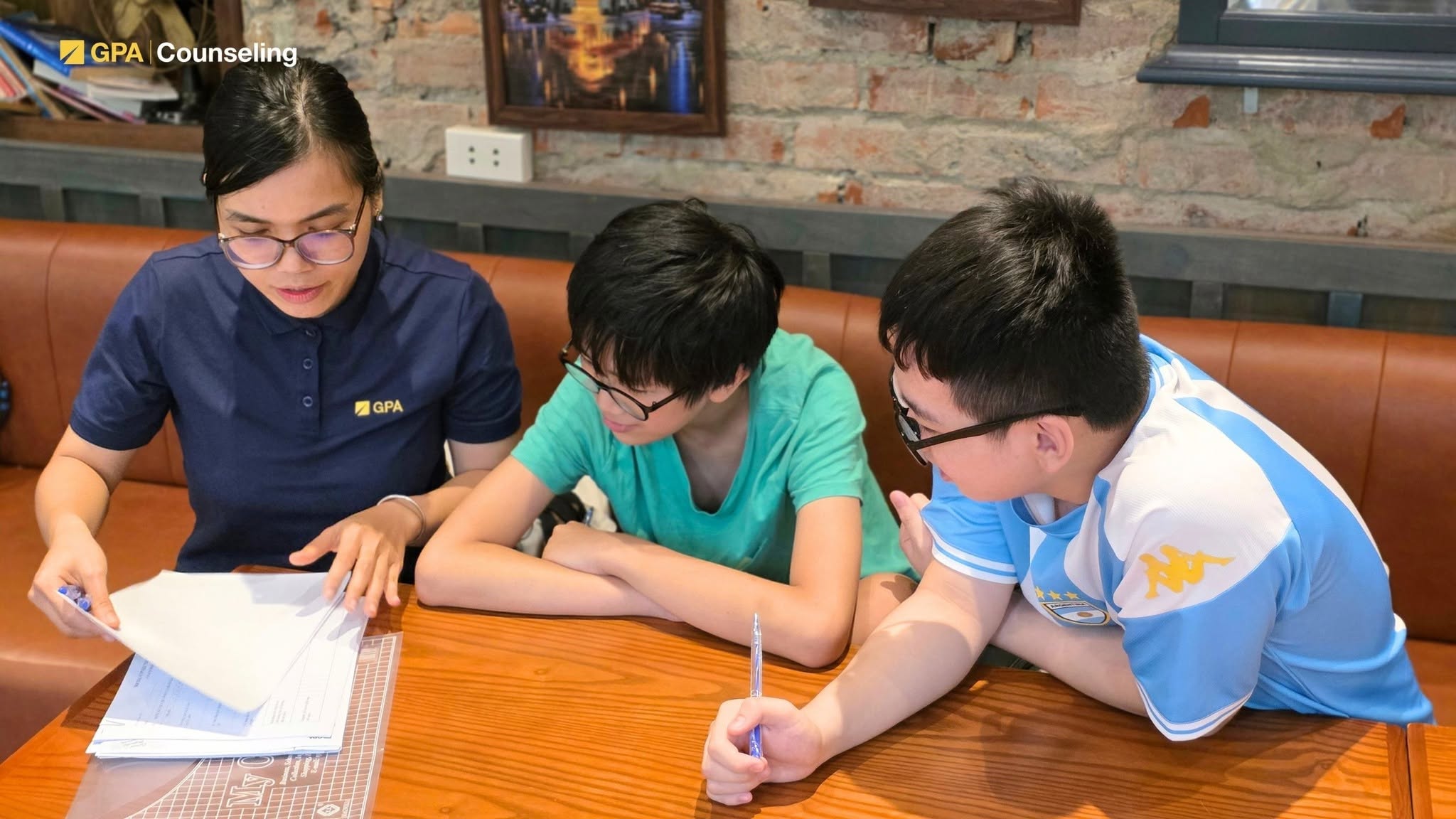
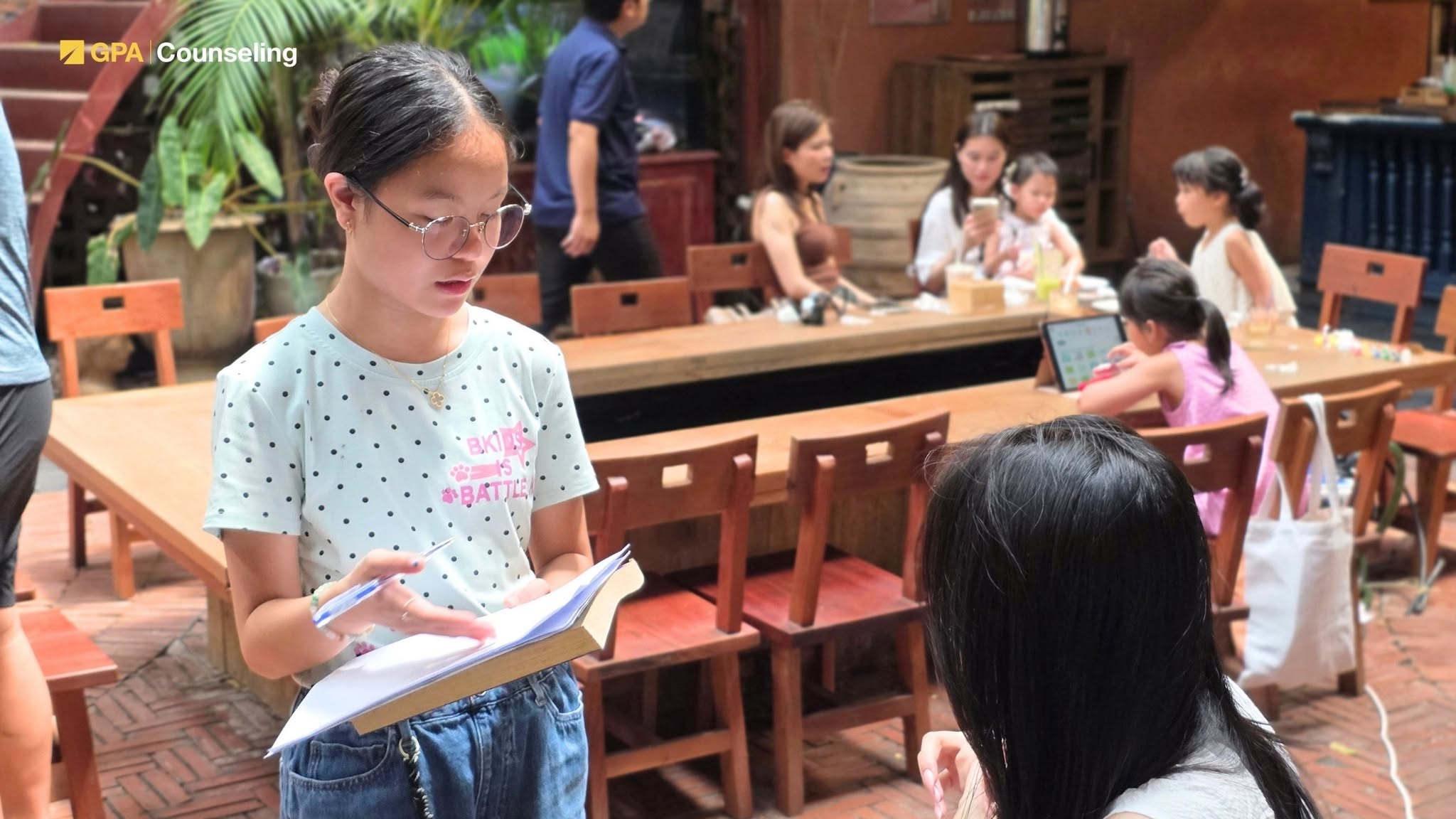
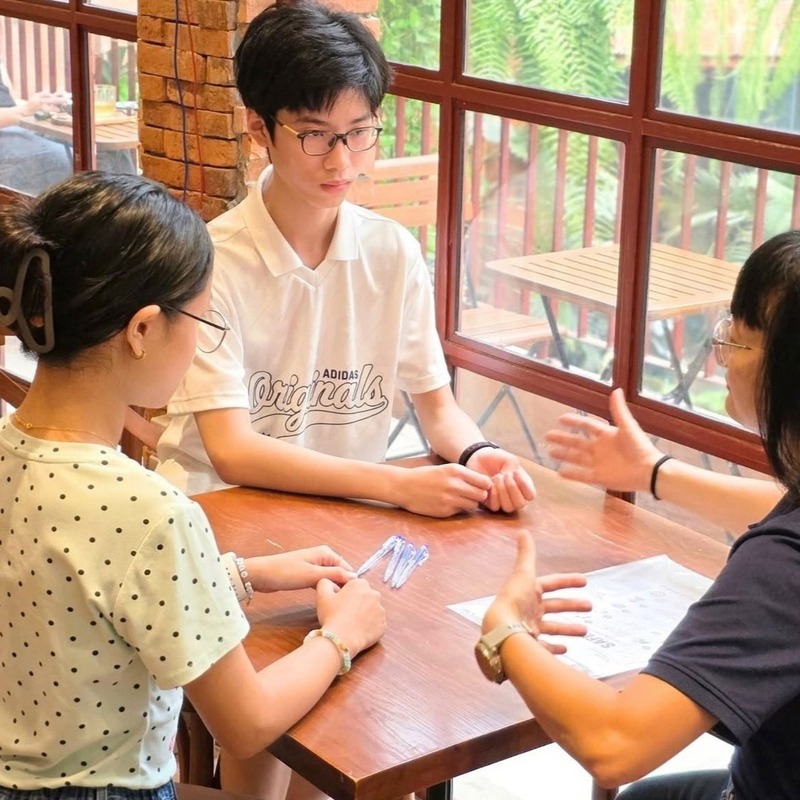
During the activity, students took on the role of young social researchers, working both individually and in groups to approach people around them, start conversations, ask questions, and conduct interviews. Rather than learning communication solely through theory, students stepped directly into a real-world situation: finding someone to talk to, initiating a conversation, listening carefully, and asking follow-up questions based on what they heard.
The first few minutes naturally came with some hesitation. Some students were unsure how to start a conversation, while others worried that the person they approached might refuse to participate. But as they began taking the first step, they gradually discovered that effective communication is not simply about speaking confidently. It also involves asking thoughtful questions, listening attentively, and responding in a way that creates a meaningful conversation.
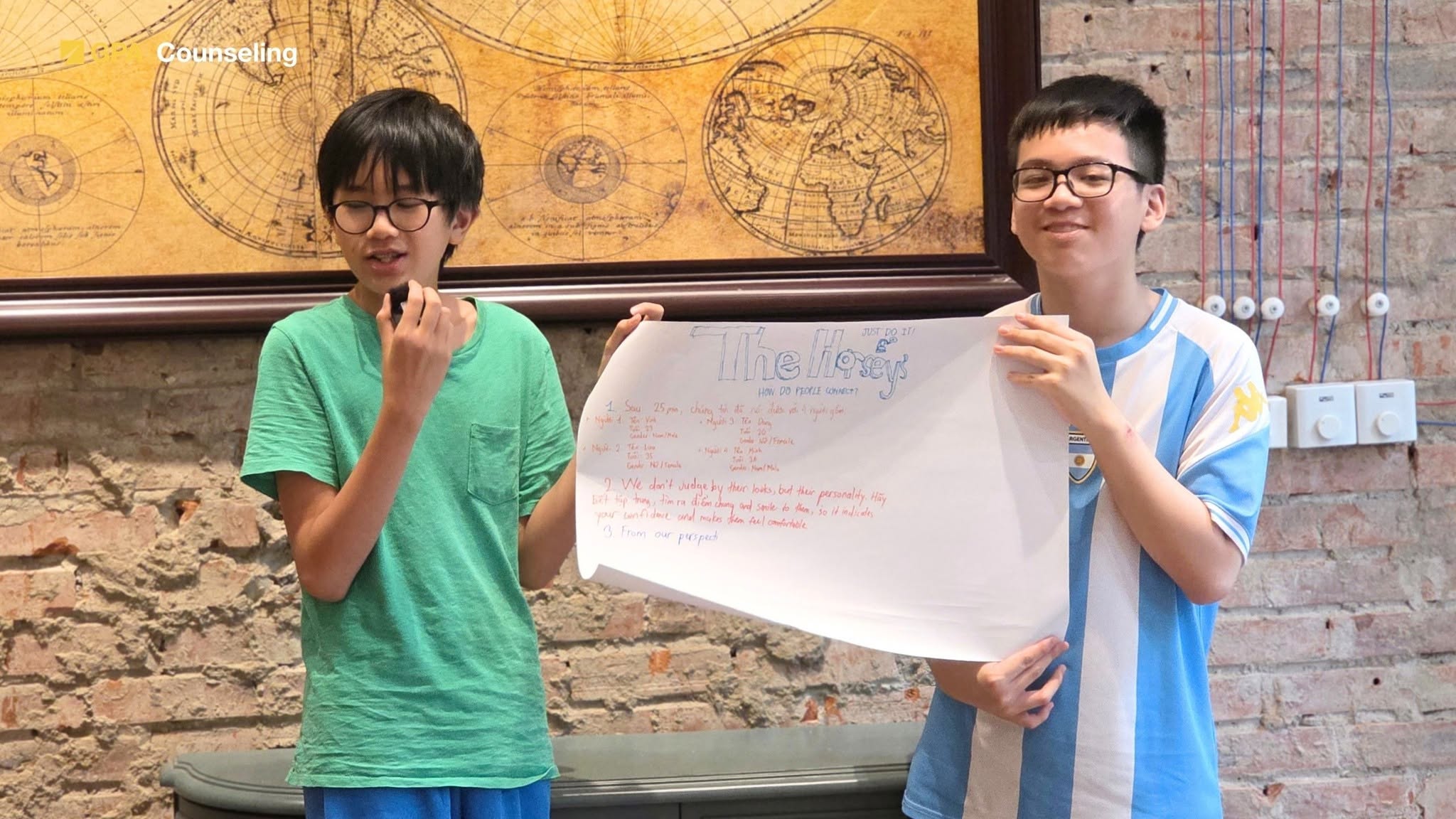
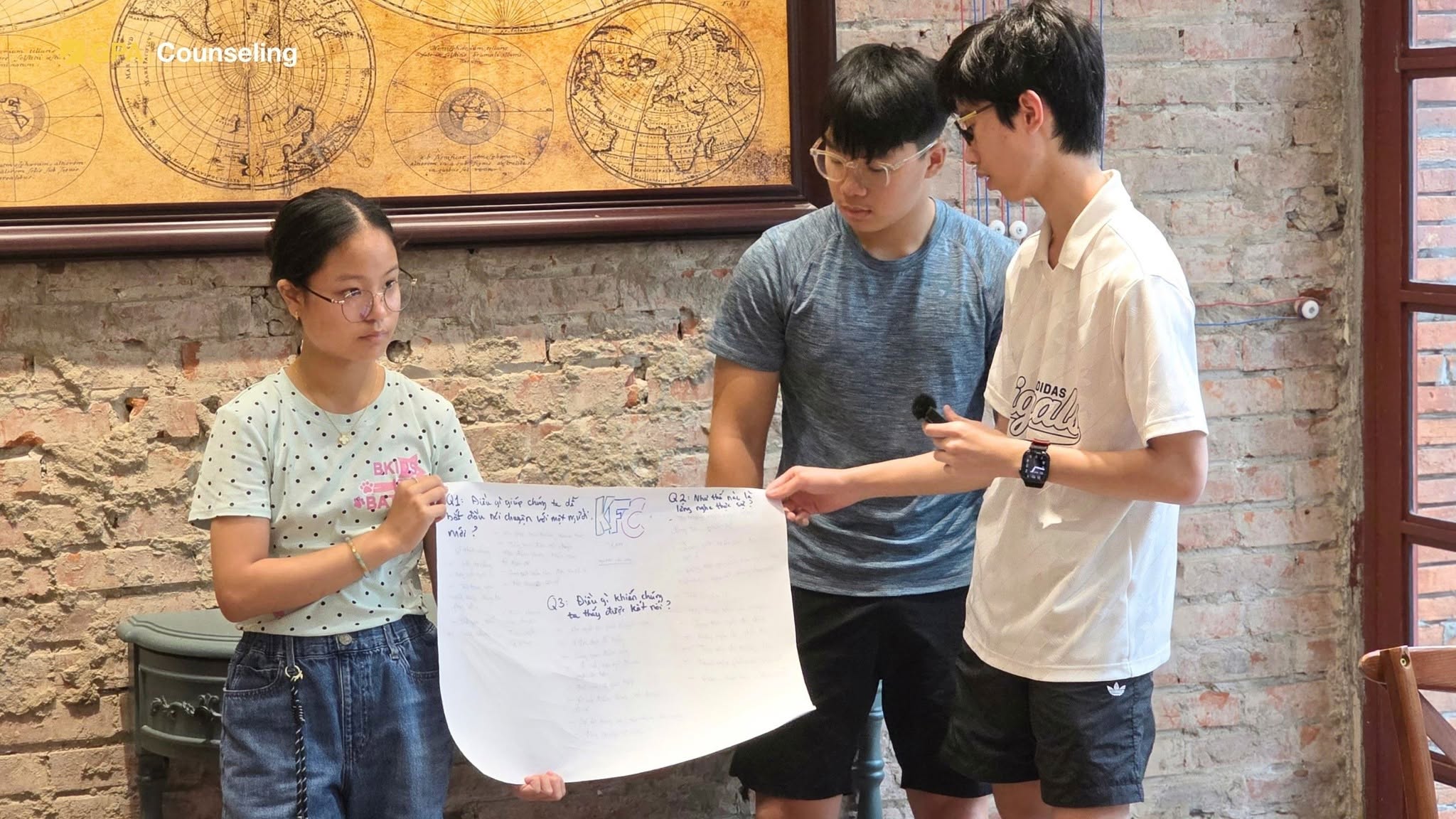
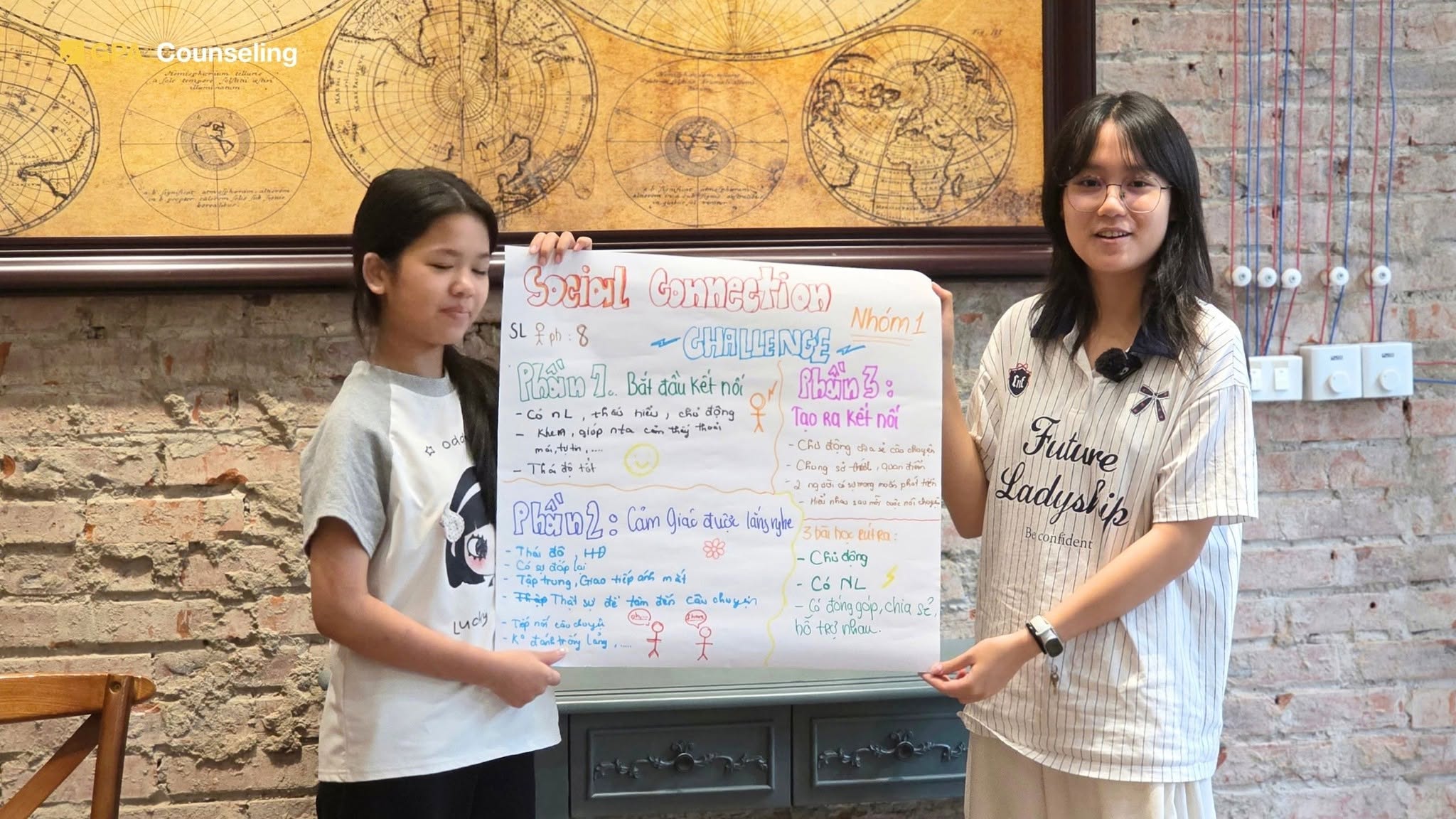
After the challenge, students reflected on their experiences and shared what they had learned with their peers. Through the activity, they had the opportunity to practise several important skills:
- Communication and proactive connection: Learning how to initiate conversations and approach others in unfamiliar situations.
- Listening, questioning, and responding: Going beyond speaking to observe, listen, and ask relevant questions in order to better understand others.
- Teamwork and presentation: Working with others, organising information, and presenting what they discovered.
- Self-reflection: Identifying what made them hesitant, how they overcame those challenges, and which skills they would like to continue developing.
What matters most after the challenge is not how many people each student interviewed, but what they discovered about themselves along the way. What made them hesitate in the first place? What helped them take the first step? What did they realise they were capable of when they moved beyond their usual comfort zone? And which abilities do they still need to develop?
For PathFinder, these questions are an important part of the journey toward personal growth. The programme is not designed to turn every student into an extrovert or require them to communicate in the same way. Instead, students are given opportunities to understand themselves, recognise their strengths, experience unfamiliar situations, and develop ways of connecting with others that feel authentic to them.
In school, extracurricular activities, and future professional environments, the ability to connect with others is not limited to confidence in speaking in front of a crowd. It also involves the willingness to initiate a conversation, listen to different perspectives, collaborate with others, and adapt when faced with unfamiliar situations.
Every experience can become an opportunity for students to understand themselves better and grow with greater confidence. Through PathFinder, students learn by experiencing, doing, reflecting, and putting their learning into practice. To learn more about the programme and explore a suitable development pathway for your child, visit Contact GPA Counseling.